IFSO 2025: Endoscopy Before and After Bariatric Surgery
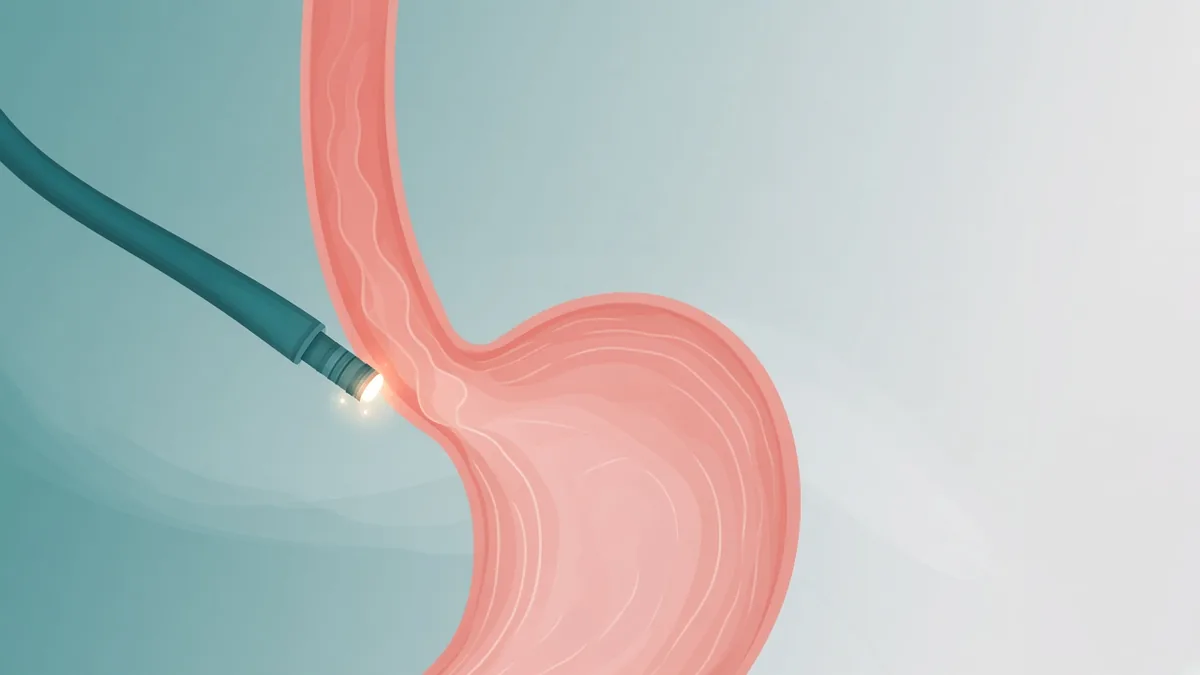
The IFSO 2025 update on upper GI endoscopy before and after bariatric surgery: what was found, the seven recommendations, and where evidence is still thin.
Should every patient have an upper gastrointestinal endoscopy before bariatric surgery, and how should patients be followed after a sleeve gastrectomy or one-anastomosis gastric bypass? In 2025 the International Federation for the Surgery of Obesity and Metabolic Disorders (IFSO) published an updated position statement on endoscopy before and after bariatric and metabolic surgery. This article summarises the update for clinical readers and explains what it does and does not change.
Why endoscopy before bariatric surgery is debated
Endoscopy before surgery can find conditions that change the plan, but it also costs time and resources, and practice varies widely. A 2022 survey cited in the statement found that 53.7% of surgeons routinely offered endoscopy before surgery, and only 14.3% offered a routine endoscopy one year after surgery.
The evidence reviewed by the IFSO panel shows how often findings appear. Pooled data suggest that about 61% of preoperative endoscopies show some abnormality. Fewer than 1% of patients had a condition that ruled out surgery, but around 35% needed treatment for what was found, and in about 23% the planned procedure was changed. Symptoms were poor predictors of what the endoscopy would show, which is one reason the panel did not rely on symptoms alone.
Barrett's oesophagus after sleeve gastrectomy
Concern about reflux and Barrett's oesophagus after sleeve gastrectomy drives much of the interest in postoperative endoscopy. Across the studies reviewed, Barrett's oesophagus was found in 2.4% of patients after bariatric surgery overall. In studies that had a preoperative endoscopy and at least two years of follow-up, new (de novo) Barrett's oesophagus was reported in 3.53% after sleeve gastrectomy, 3.5% after one-anastomosis gastric bypass and 1.7% after Roux-en-Y gastric bypass. The 2020 IFSO statement had recommended endoscopy at one year and then every two to three years after sleeve gastrectomy and one-anastomosis gastric bypass.
The seven recommendations
The 2025 update makes seven recommendations:
Recommendation 1: Endoscopy before surgery should be strongly considered for all patients.
Recommendation 2: Endoscopy must be performed in patients with alert symptoms such as dysphagia, painful swallowing, unintentional weight loss, anaemia or gastrointestinal bleeding.
Recommendation 3: Endoscopy is indicated for new or refractory reflux disease after surgery.
Recommendation 4: Patients with known Barrett's oesophagus should stay in surveillance according to national guidelines.
Recommendation 5: Decisions about routine surveillance should be made through shared decision-making with the patient.
Recommendation 6: In patients with known Barrett's oesophagus, a bypass procedure may be preferred over sleeve gastrectomy.
Recommendation 7: More research is needed.
How strong is the evidence?
The panel is open about the limits: the data are heterogeneous, the likelihood of bias is high, definitions vary between studies and follow-up beyond two years is limited. It recommends that the evidence be re-examined in three years. In practice, the update supports a structured, documented approach rather than a single rule for everyone: discuss the role of endoscopy with each patient, make sure alert symptoms and new reflux are investigated, and agree a follow-up plan, especially after sleeve gastrectomy and one-anastomosis gastric bypass.
Sources: - Brown WA et al. IFSO Position Statement on the Role of Esophago-Gastro-Duodenal Endoscopy Prior to and after Bariatric and Metabolic Surgery Procedures: 2025 Update. Obes Surg 2025 (doi:10.1007/s11695-025-08206-8) - PubMed record of the IFSO 2025 statement (PMID 41108366)
This article is for general educational purposes for healthcare professionals and does not constitute medical advice. Decisions about endoscopy and follow-up rest with the treating team and the patient.