Bougie Size in Sleeve Gastrectomy: Evidence Review 2026
How bougie size relates to leaks and weight loss after laparoscopic sleeve gastrectomy: a neutral summary of key studies and what to check when sourcing.
Laparoscopic sleeve gastrectomy (LSG) remains one of the most widely performed metabolic and bariatric procedures in the world. One technical choice comes up in almost every discussion of the operation: the size of the calibration tube, or bougie, used to shape the sleeve. Smaller bougies create a narrower sleeve; larger ones leave more gastric volume. Surgeons have debated the trade-offs for more than a decade.
This article summarises the key evidence so far. It does not make clinical recommendations: bougie selection is the decision of the operating surgeon and the bariatric team, based on the patient, the technique and local protocols. Our aim is to help surgeons, procurement teams and distributors understand the evidence behind the sizes they are asked to supply.
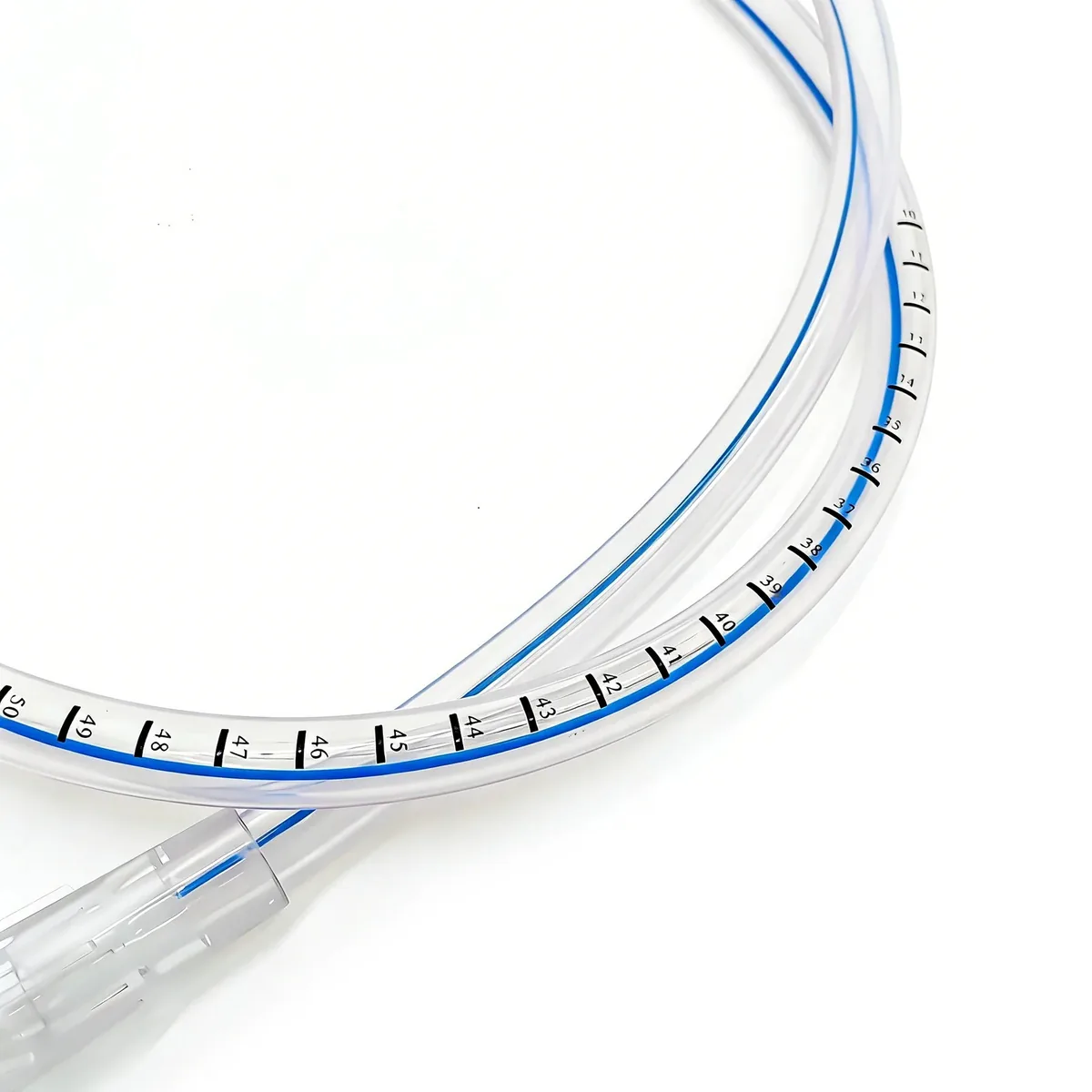
During LSG, a calibration tube is passed orally into the stomach and positioned along the lesser curvature. The surgeon fires the stapler alongside it, so the tube acts as a template for the width of the sleeve. Many calibration tubes also allow suction for decompression, irrigation and intraoperative leak testing, for example with methylene blue. Tube sizes are given in French (Fr), where 1 Fr equals one-third of a millimetre of outer diameter, so a 36 Fr tube measures about 12 mm across.
Two widely cited reviews from 2013 shaped the conversation.
Yuval et al. (Obesity Surgery, 2013) analysed 32 publications covering 4,999 patients. Bougies of 40 Fr and larger were associated with a leak rate of 0.92%, compared with 2.67% for smaller bougies. Excess weight loss was 69.2% versus 60.7%, a difference that was not statistically significant. The authors cautioned against a blanket recommendation to use "the smallest bougie possible". (PubMed 23912264)
Parikh et al. (2013) systematically reviewed 112 studies and 9,991 patients. A bougie of 40 Fr or larger was associated with a lower risk of leak (odds ratio 0.53), with no difference in excess weight loss up to 36 months. Distance from the pylorus and staple-line buttressing did not significantly affect leak in that analysis. (PubMed 23023201)
These findings encouraged many teams to move away from very narrow bougies.
Practice and evidence have continued to evolve. A 2024 update on risk factors for leaks after sleeve gastrectomy (Langenbeck's Archives of Surgery) concluded that a 36 Fr bougie can be effective and safe, with leak rates similar to those of larger sizes. The review also concluded that surgical experience and case volume affect leak rates more consistently than any form of staple-line reinforcement. It noted that intraoperative leak testing is still left to surgeon preference, because no standard method exists. (Springer, 2024)
Other recent work looks beyond leaks. A 2026 randomised trial in Surgery for Obesity and Related Diseases examined how bougie size and antral resection distance relate to postoperative gastro-oesophageal reflux, a growing focus in sleeve outcomes (SOARD, 2026).
Much of the evidence comes from retrospective studies, which can be affected by selection bias and differences in technique. That is why prospective trials matter. A randomised controlled trial registered as NCT07230769 is comparing a 36 Fr bougie with bougies larger than 40 Fr, measuring postoperative leak, weight loss and quality of life. It is currently recruiting, with primary completion expected in December 2026 (ClinicalTrials.gov). Its results may help settle the question.
Because surgical teams use different sizes and preferences can change as evidence develops, hospitals and distributors usually need a complete, consistent size range rather than a single size. When evaluating a calibration tube supplier, it is worth checking:
Size range and accuracy: are all the sizes your surgeons use available, with outer diameters that match the stated French size?
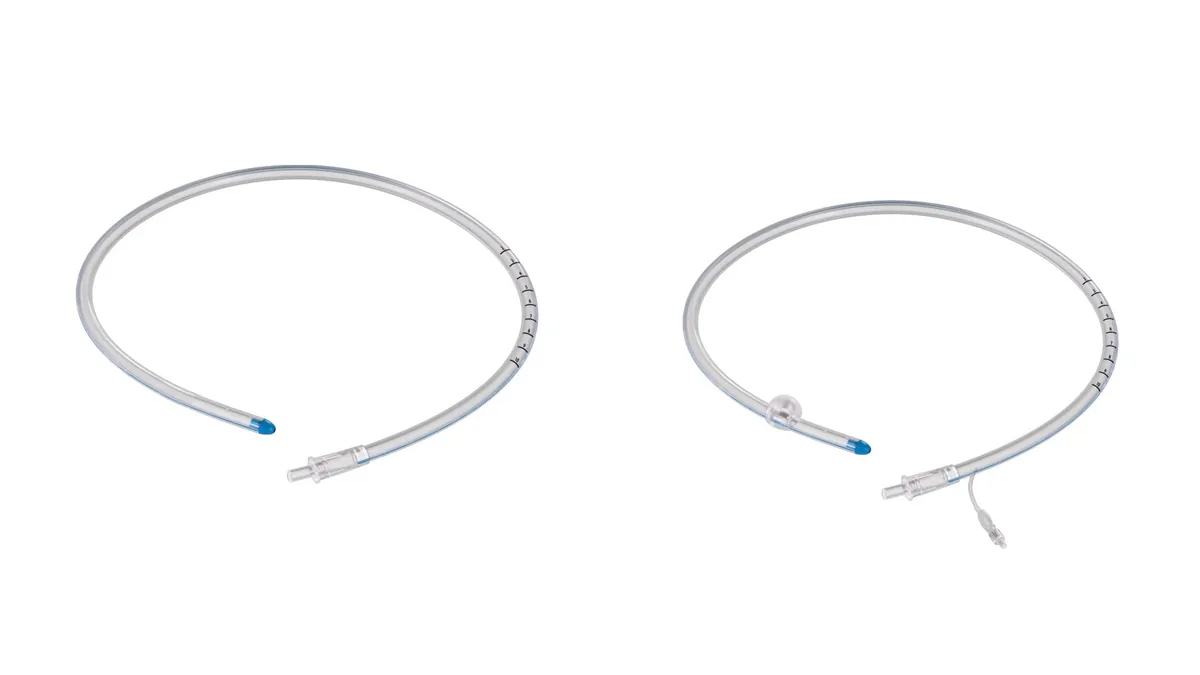
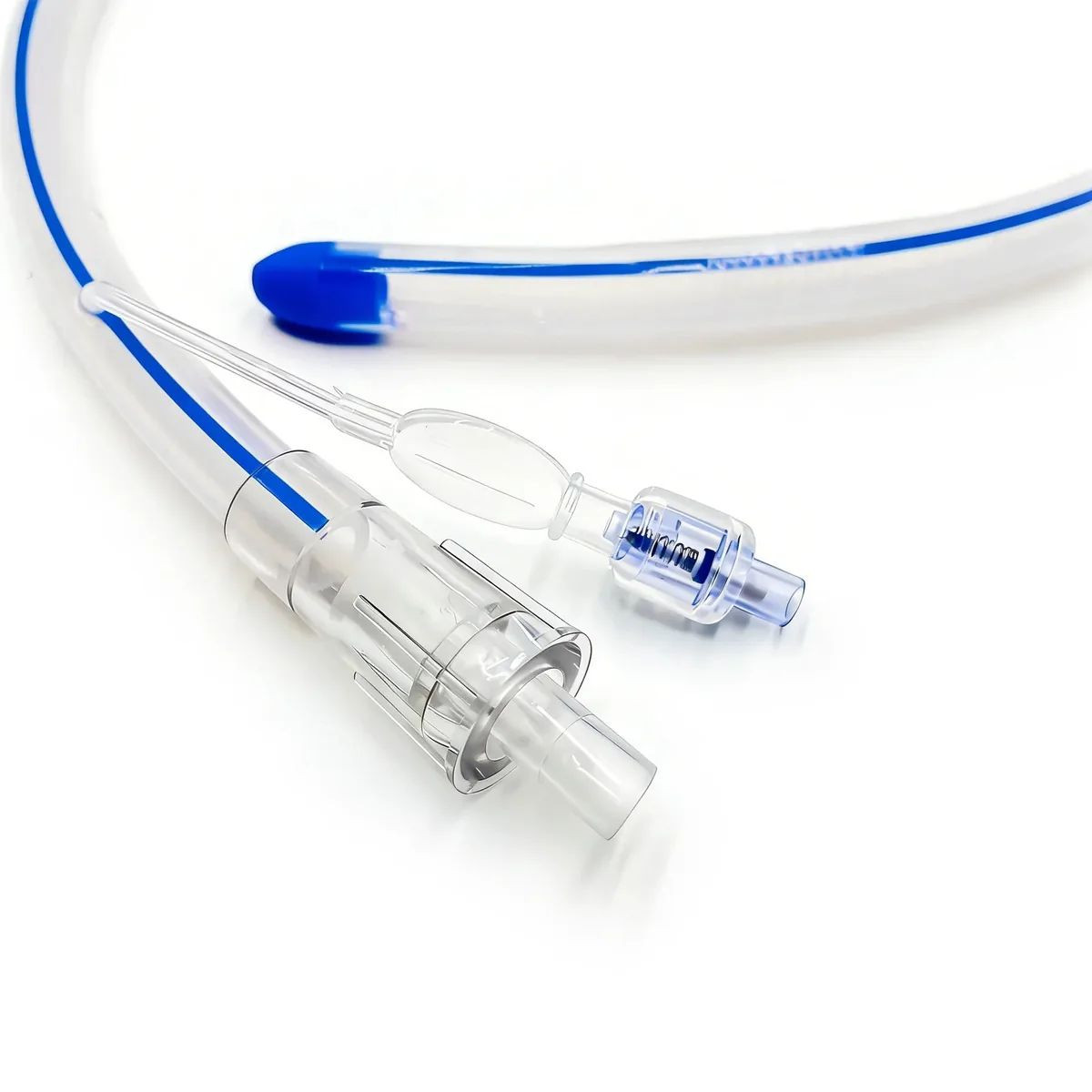
Tube design: standard tube or balloon type (a balloon can act as a pyloric stop for positioning), length, tip design, radiopaque line and suction/irrigation connectors.
Sterility and packaging: single-use, sterile, individually packed, with clear labelling and UDI.
Regulatory status for your market: CE marking under EU MDR, or the registrations your country requires.
Documentation: IFU, labels, product specifications and certificates for tender files.
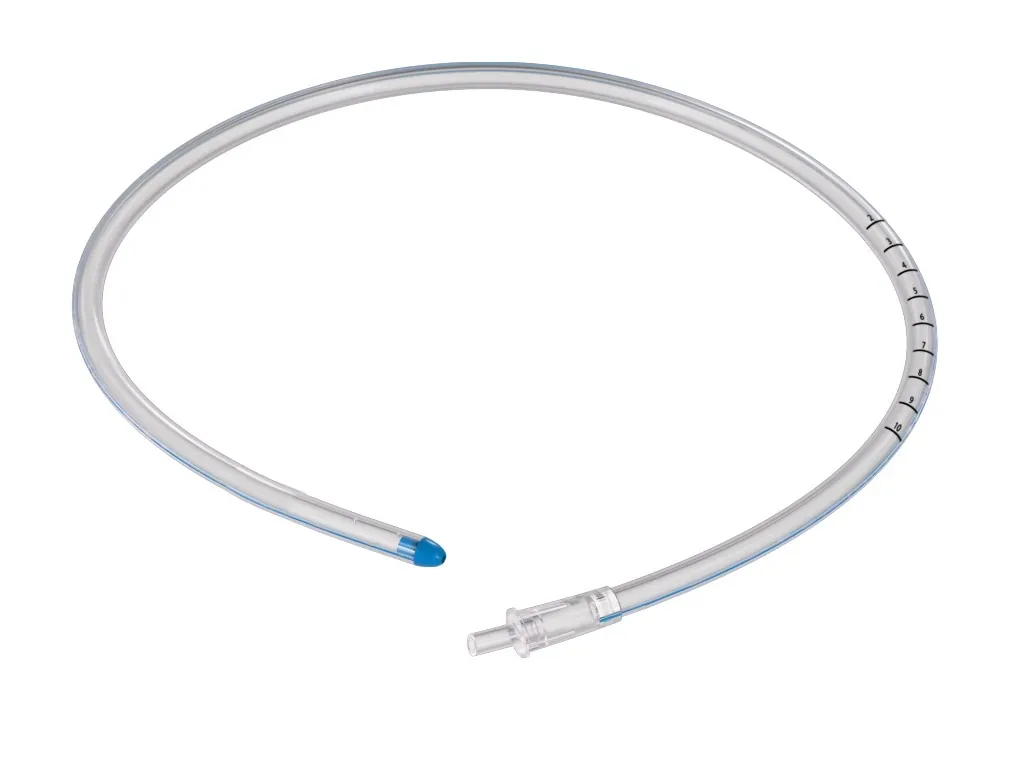
SHENYUN manufactures sterile single-use gastric calibration tubes from medical-grade silicone in Suzhou, China, under an ISO 13485 quality system certified by SGS:
Type I (standard): 32, 34, 36, 38 and 40 Fr; 1,200 mm long; with suction and irrigation connectors.
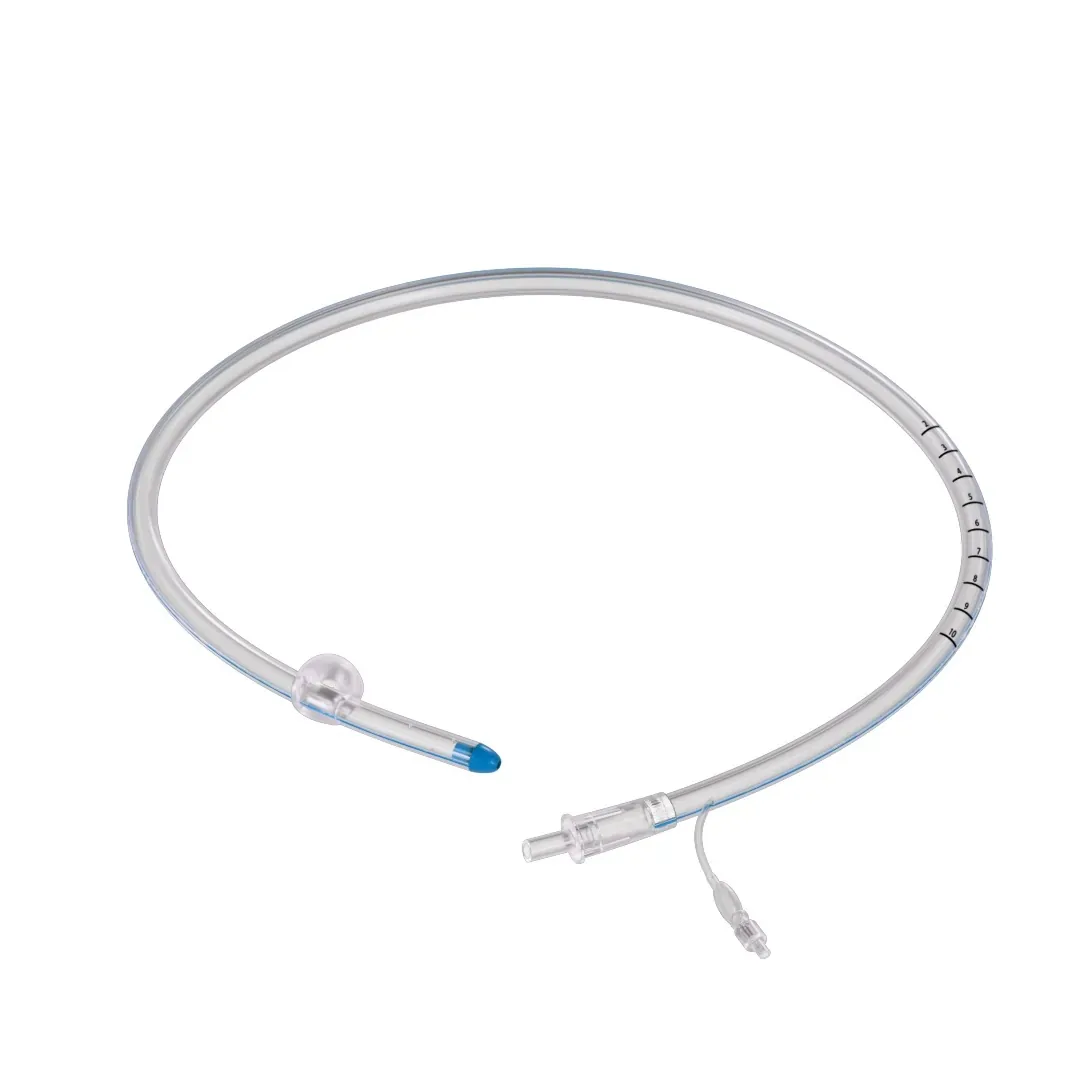
Type II (balloon): 32–40 Fr; 745 mm long; with a 30 mL balloon that acts as a pyloric stop to help position the tube and guide the resection line along the lesser curvature.
Both types are EO-sterilised and CE marked under EU MDR as Class IIa devices (SGS, Notified Body 1639). They are also registered with the Saudi Food and Drug Authority (MDMA). The company was founded in 2020.
Distributors and hospital buyers can request the brochure, IFU and samples through our contact page or on WhatsApp at +86 151 5045 7575. More information: sybariatric.com
Related guide: Gastric calibration tube size selection guide
Sources: - PubMed PMID 23912264 - PubMed PMID 23023201 - Springer, doi:10.1007/s00423-024-03424-7 - doi:10.1016/j.soard.2026.08.025 - ClinicalTrials.gov NCT07230769
This article is for healthcare and procurement professionals. It summarises published literature and does not constitute medical advice. Device selection and surgical technique are the responsibility of the treating surgeon.