Bariatric Surgery & Obesity-Related Cancer Risk: JAMA Study
A JAMA Surgery study links bariatric surgery to lower long-term obesity-related cancer risk across ages and sexes; IFSO adds a GRADE-based position statement.
October 2026 brought two new publications on the relationship between metabolic bariatric surgery and cancer risk in people living with obesity. Together they add to the evidence that surgical and metabolic teams follow when planning bariatric services.
JAMA Surgery: similar associations across age groups and sexes
On 14 October 2026, JAMA Surgery published an original investigation titled "Bariatric Surgery and Risk of Obesity-Related Cancer by Age and Sex" (doi: 10.1001/jamasurg.2026.4798). The corresponding author is Cecilia Radkiewicz, MD, PhD, of the Department of Molecular Medicine and Surgery at Karolinska Institutet in Stockholm, Sweden.
According to the journal's summary, the study found that bariatric surgery was associated with a lower long-term risk of obesity-related cancers. The associations were similar across age groups and between sexes. The authors suggest that the long-term oncologic benefits of bariatric surgery apply broadly across age groups and sexes, and that this supports equitable access to bariatric surgery for patients with obesity.
The study reports an association: it shows that patients who had bariatric surgery had a lower long-term risk of obesity-related cancers, not that surgery prevents cancer in any individual patient. The full author list, methods, cohort details and disclosures are in the full article on the JAMA Network website.
IFSO: a GRADE-based position statement on cancer prevention
A week earlier, on 6 October 2026, Obesity Surgery published a position statement from the International Federation for the Surgery and Other Therapies for Obesity (IFSO): "Metabolic Bariatric Surgery for Cancer Prevention and Risk Reduction in Patients with Obesity: A GRADE-Based IFSO Position Statement."
GRADE is a widely used framework for rating the certainty of evidence and the strength of recommendations. A GRADE-based statement from IFSO, the global federation of bariatric and metabolic surgical societies, gives clinicians and health systems a structured reference on how current evidence links metabolic bariatric surgery to cancer risk reduction. Readers should consult the full statement for its specific recommendations and certainty ratings.
Why it matters for bariatric programmes
For hospitals, bariatric centres and the distributors that supply them, both publications reinforce interest in access to metabolic bariatric surgery. Equitable access across ages and sexes is the point the JAMA Surgery authors highlight. Clinical decisions remain with multidisciplinary bariatric teams, guided by these publications and local guidelines.
About Shenyun's gastric calibration tube
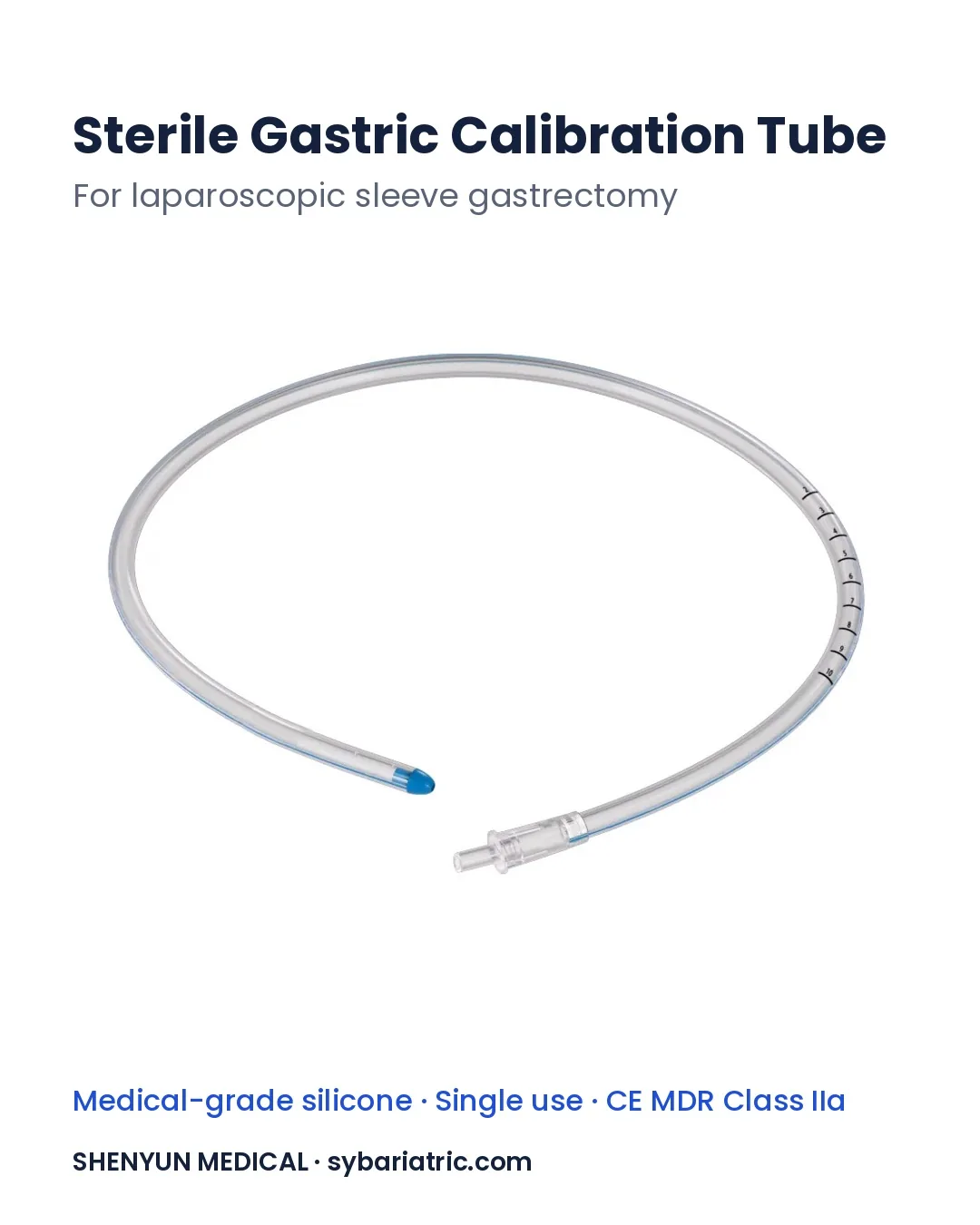
Suzhou Shenyun Medical Equipment Co., Ltd. (founded 2020) manufactures a sterile, single-use silicone gastric calibration tube for laparoscopic sleeve gastrectomy, in Type I (standard) and Type II (with pyloric-stop balloon) versions, 32–40 Fr. Both types are CE marked under EU MDR as Class IIa devices and are produced under an ISO 13485 quality system.
For product information, visit sybariatric.com or contact us on WhatsApp at +86 151 5045 7575.
Sources: - JAMA Surgery press release (14 Oct 2026) - Full article - IFSO position statement, Obesity Surgery (6 Oct 2026)
This article summarises published sources for healthcare and procurement professionals and is not medical advice.