Surgery for weight loss can significantly reduce the risk of cancer and death
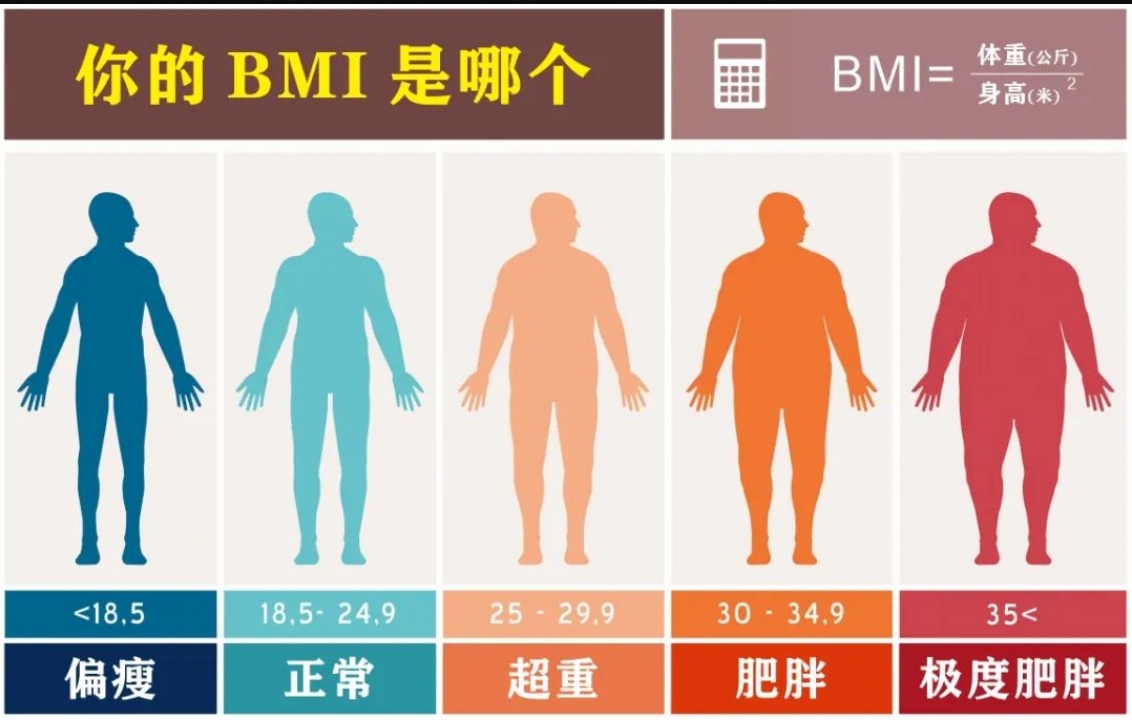
According to statistics from the World Health Organization (WHO), nearly 2 billion people in the world are overweight or obese. From 1975 to 2016, the global obesity rate has nearly tripled, and the number of deaths caused by overweight or obesity is as high as 2.8 million each year. In fact, obesity not only causes inconvenience in life and reduce
According to statistics from the World Health Organization (WHO), nearly 2 billion people in the world are overweight or obese. From 1975 to 2016, the global obesity rate has nearly tripled, and the number of deaths caused by overweight or obesity is as high as 2.8 million each year. In fact, obesity not only causes inconvenience in life and reduced exercise ability, but also increases the risk of metabolic diseases such as diabetes and cardiovascular and cerebrovascular diseases. According to data from the Centers for Disease Control and Prevention (CDC), obesity increases the risk of 13 types of cancer, including breast cancer, liver cancer, colorectal cancer, pancreatic cancer, and thyroid cancer, and is also associated with an increased risk of death from multiple cancers. Bariatric surgery is currently the most effective way to lose weight, with an average weight loss of 20%-40%, and the weight loss effect can last for many years. So, can bariatric surgery reduce the risk of cancer and death in obese people? On June 3, 2022, a research team from the Cleveland Clinic published a research paper titled: Association of Bariatric Surgery With Cancer Risk and Mortality in Adults With Obesity in the Journal of the American Medical Association (JAMA), a top international medical journal. The study showed that for obese adults, weight loss through bariatric surgery was associated with a 32% reduction in the risk of obesity-related cancers and a 48% reduction in the risk of cancer-related mortality. Dr. Ali Aminian, director of the Bariatric and Metabolic Research Institute at the Cleveland Clinic, who led the study, said that bariatric surgery is currently the most effective treatment for obesity. Obese patients can lose 20%-40% of their weight after surgery, and the effect can often last for more than ten years. And this study shows that the more weight you lose through surgery, the lower your risk of cancer. The study conducted a long-term follow-up study on 30,318 obese patients at the Cleveland Clinic, of which 5,053 obese adults underwent bariatric surgery between 2004 and 2017. At a ratio of 1:5, 25,265 obese adults did not undergo bariatric surgery and were used as controls. The median age of these 30,318 obese patients was 46 years old, the median body mass index (BMI) was 45, 77% of them were women, and 73% were white. The main focus of the study was whether these participants developed any of the 13 obesity-related cancers, and the secondary endpoints were the prevalence and mortality of related cancers. The 13 obesity-related cancers are: esophageal adenocarcinoma, renal cell carcinoma, breast cancer in postmenopausal women or young patients who underwent bilateral oophorectomy, cardia cancer, colon cancer, rectal cancer, liver cancer, gallbladder cancer, pancreatic cancer, ovarian cancer, uterine cancer, thyroid cancer, and multiple myeloma. Ten years later, the weight loss group had lost an average of 24.8 kg, or 19.2%, compared to befor