FDA ISO 10993-1 guidance pushes silicone tube buying back to material traceability
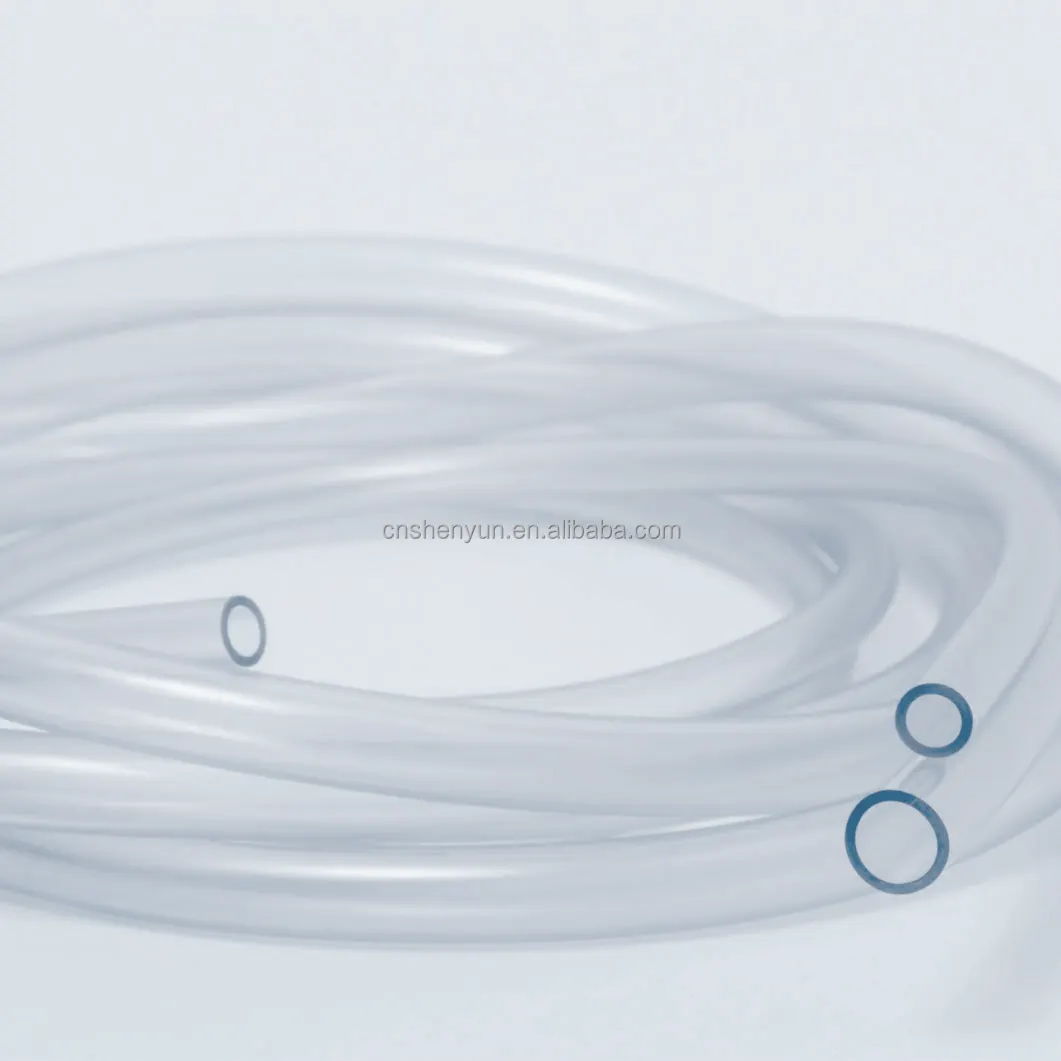
FDA guidance on ISO 10993-1 highlights risk-based biological evaluation. Medical-grade silicone tube buyers should review material grade, contact type, supplier traceability, biocompatibility files and change control.
FDA's guidance on ISO 10993-1 is available here: FDA ISO 10993-1 Guidance. It emphasizes biological evaluation based on material, contact nature and risk management, not a one-size-fits-all test checklist.
That changes how medical-grade silicone tube projects should be discussed. Buyers should not stop at the phrase medical grade. They need material grade, raw-material supplier, contact type, contact duration, production batch, cleaning or curing process, change control and the scope of available biocompatibility files.
For distributor or custom-component projects, the file boundary should be defined early: material statement, COA, MSDS or SDS, lot-trace examples, dimensional tolerance, transparency and hardness range, plus a test or evaluation plan linked to the intended application.
Medical-grade silicone tube is better evaluated as a material-file-driven component rather than compared only by diameter and unit price. Suppliers that explain material source, lot traceability and change control clearly are more likely to enter long-term project review. This article is for procurement and project-start documentation only; it is not a biological-evaluation conclusion or a regulatory submission opinion.