Fecal management literature pushes distributors to review kit documentation
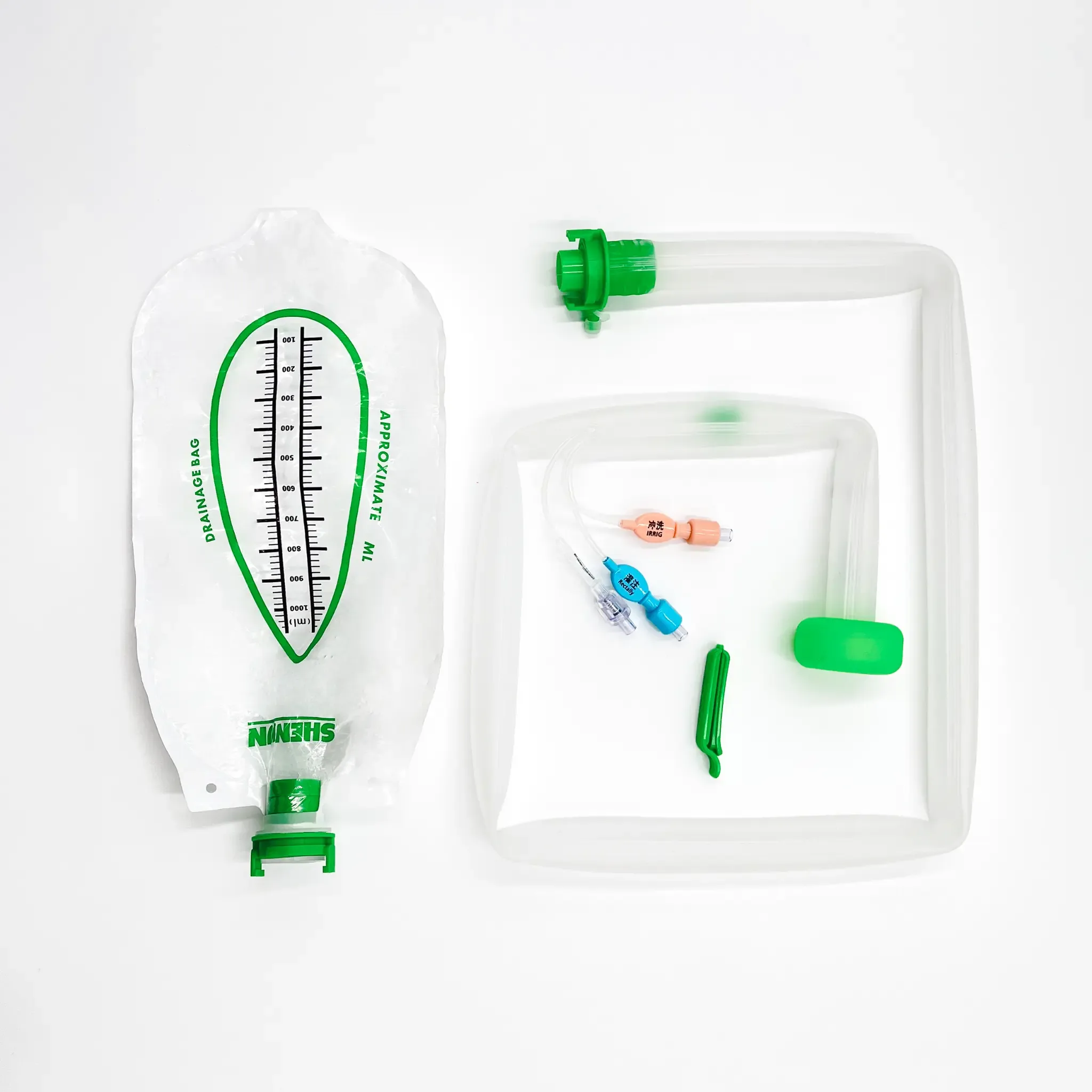
A PubMed-indexed fecal management study brings liquid stool collection, skin-risk control and nursing workload back into procurement discussion. Buyers should look beyond collection capacity and review sealing, fixation, drainage connection, skin-contact materials and IFU limits.
Clinical discussion around liquid stool collection and skin-risk control can be tracked through this PubMed-indexed source: PubMed Fecal Management Study. The source gives literature context for procurement discussion; it should not be read as a claim for any single product.
A fecal incontinence management kit is not judged only by whether it can collect liquid stool. Hospitals also review seal stability, tube softness, fixation method, drainage-bag connection, skin-contact materials, nursing replacement workflow and the IFU's patient-selection boundaries.
Distributors should prepare structure drawings, key dimensions, connector information, package and label photos, material statements, IFU, warnings or contraindications, and lot-trace examples. In ICU, rehabilitation and long-term-care channels, these files often matter more than a low unit price.
This type of product is better evaluated as a nursing-workflow device rather than promoted with treatment claims. Suppliers that can explain sealing, fixation, connection, skin-contact materials and replacement workflow clearly are more likely to enter trial discussions. This article is for procurement-file review and channel selection only; it does not replace clinical judgment or local nursing protocols.