Balloon Gastric Calibration Tube Manufacturer for Distributors
Shenyun Medical is a medical device manufacturer in Suzhou, China, with a 4,000 m² production area and a Class 100,000 cleanroom. We manufacture the balloon-type (Type II) gastric calibration tube for laparoscopic sleeve gastrectomy (32–40 Fr, 745 mm, 30 mL balloon) in our own factory and supply it to distributors, importers and hospital procurement teams; our products are exported to 50+ countries and regions. Specifications, product documents (datasheet and IFU) and quotations are available on request.
- Models
- SY02-00 – SY02-04
- Sizes
- 32–40 Fr
- Length
- 745 mm
- Balloon capacity
- 30 mL
- Material
- Medical-grade silicone
- Supply
- Sterile (EO), single use
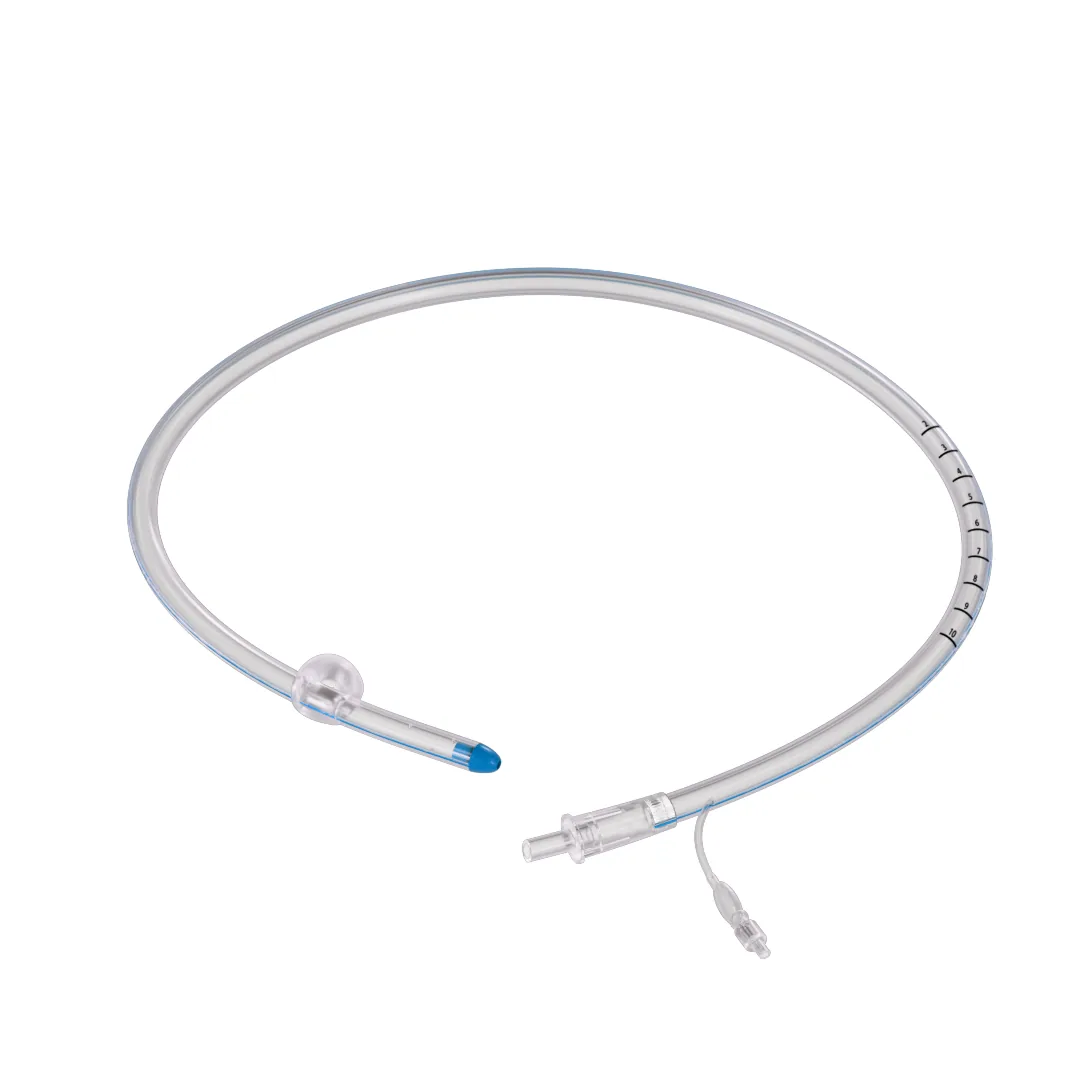
Specifications
| Model | Size (Fr) | OD (mm) | Length (mm) | Balloon Capacity | Balloon ID |
|---|---|---|---|---|---|
| SY02-04 | 32 Fr | 10.70 | 745 | 30 mL | Balloon ID 40mm |
| SY02-00 | 34 Fr | 11.30 | 745 | 30 mL | Balloon ID 40mm |
| SY02-01 | 36 Fr | 12.00 | 745 | 30 mL | Balloon ID 40mm |
| SY02-02 | 38 Fr | 12.40 | 745 | 30 mL | Balloon ID 40mm |
| SY02-03 | 40 Fr | 13.20 | 745 | 30 mL | Balloon ID 40mm |
Product Information
Structure & Components
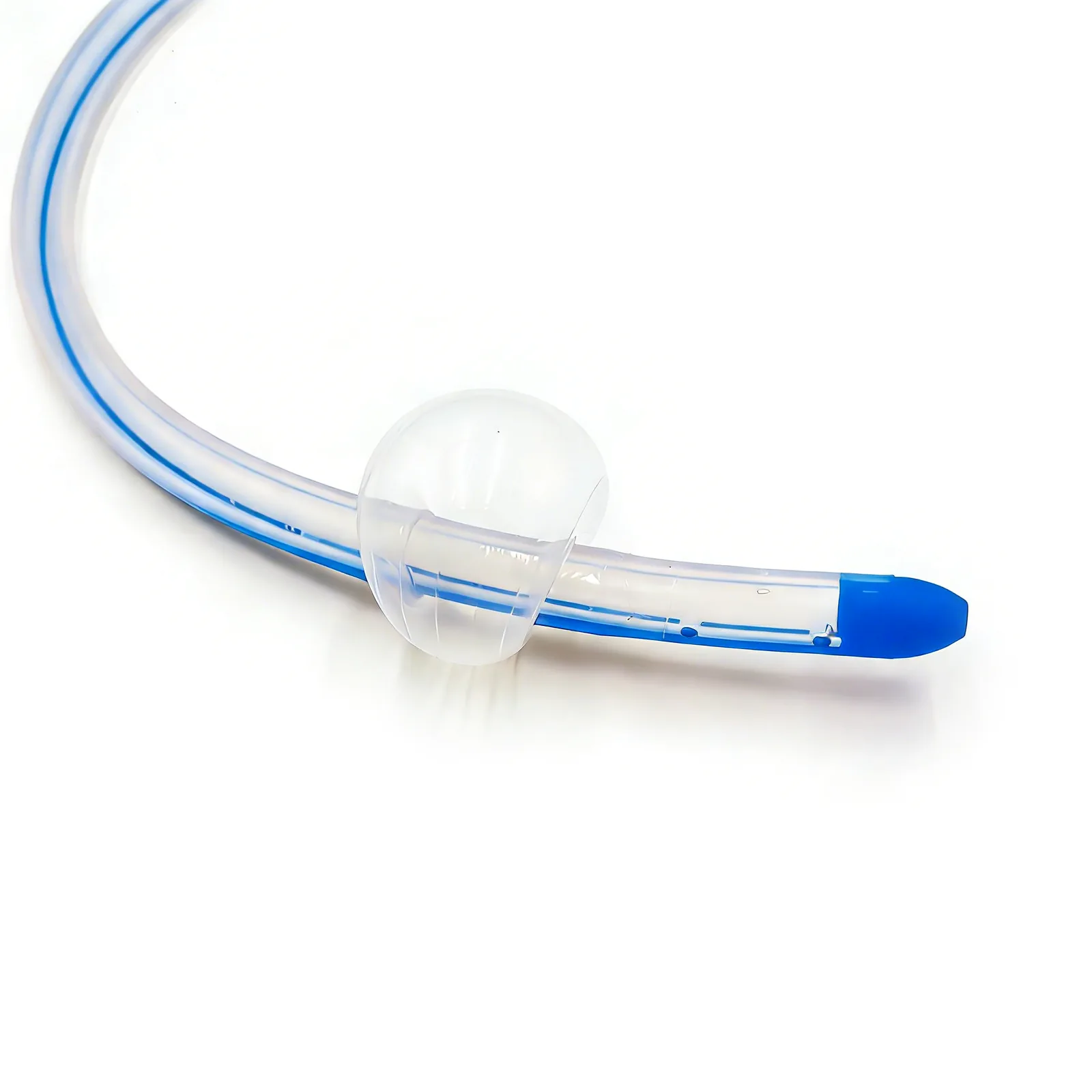
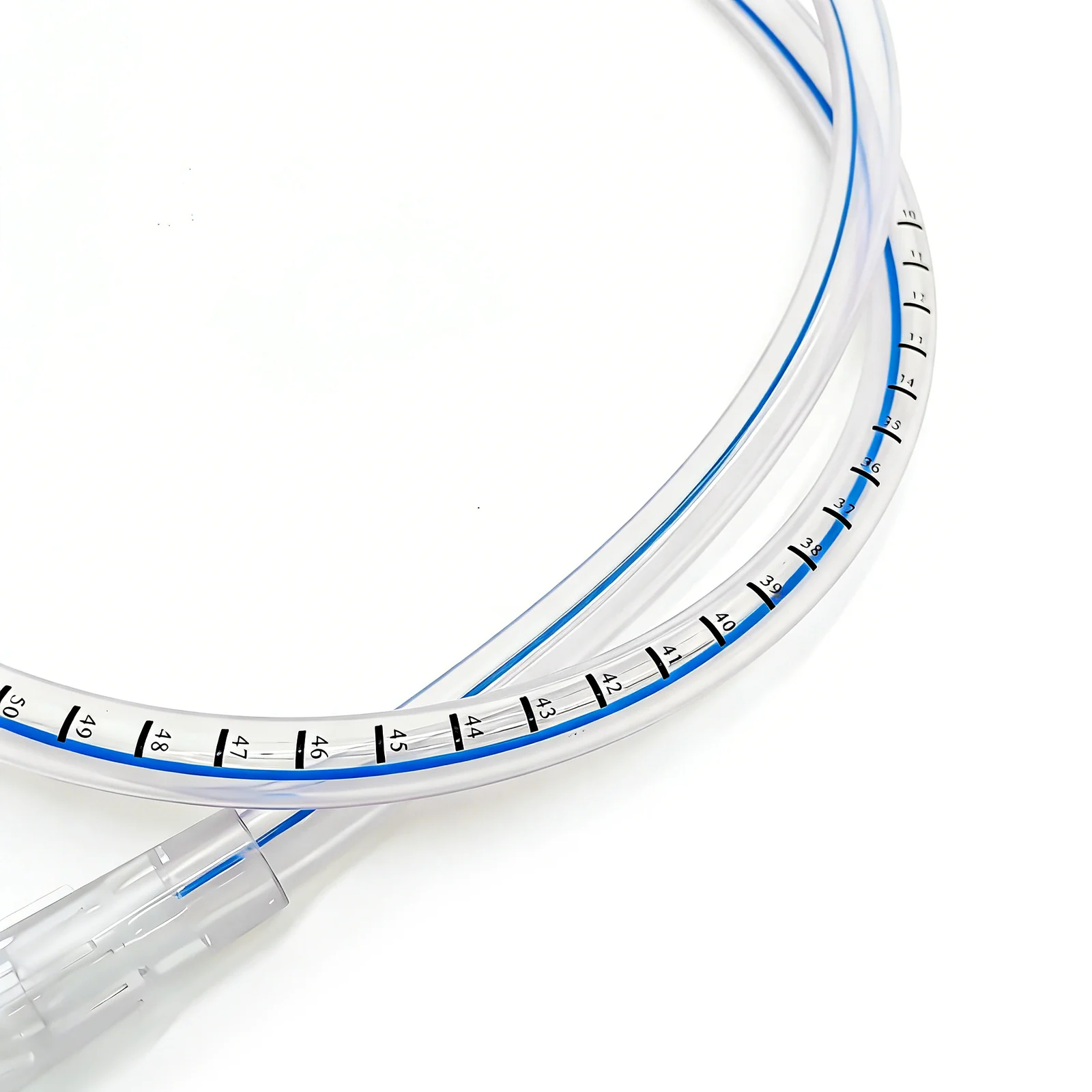
Structure Composition
Tube body + inner cone connector + silicone tip + universal connector + check valve + radiopaque line + balloon. EO sterilized, single use.
Features
30 mL balloon structure added to standard type; inflated balloon acts as a pyloric stop for resection guidance
Length 745mm, optimized specifically for laparoscopic sleeve gastrectomy (LSG) and gastric volume sizing
Balloon inflation ~30 mL locates the pylorus and helps keep the lesser-curvature resection path consistent
Medical-grade silicone tube body, flexible
Precise scales and radiopaque lines for accurate intraoperative positioning
Clinical Video
Calibration tube in the operating room
Operating-room footage of the gastric calibration tube being inserted orally in an anaesthetised patient.
Duration: 28 s
Indications & Contraindications
Indications
- Type I is indicated for use in gastric bypass (mini) and longitudinal sleeve gastrectomy (LSG) procedures to provide visible and tactile delineation of the stomach and with the ability to decompress the stomach, drain and remove gastric fluid.
- Type II is indicated for use in Longitudinal Sleeve Gastrectomy (LSG) procedures to drain and remove gastric fluid and to provide a calibration of the gastric pouch.
- Intended patient population: adults over 18 years of age.
- Intended user: healthcare professionals.
- Intended environment: medical institutions.
Contraindications
- Zenker’s diverticulum
- Esophageal varices
- Esophageal stricture
- Upside-down stomach
How to Use
Type I
- 1Preparation: check that the packaging is intact and undamaged, confirming that the device is sterile and within its expiration date; verify the packaging labels, manufacturing date, expiry date and batch number. If necessary, apply a water-soluble lubricant to the tube and the guide section to facilitate smooth insertion.
- 2Insertion: insert the tube orally, guide tip first, until the predetermined intragastric positioning site is reached. Confirm correct placement in the stomach using the scale on the tube.
- 3Leak test and flow control: once the gastric pouch (or stomach segment) is constructed, connect a syringe via the universal connector and slowly instill air or fluid into the stomach segment. Engage the flow stopper clip to occlude the tube, preventing backflow or leakage and keeping the pressure within a safe range. After instillation, disengage the clip and aspirate the instilled fluid through the lateral drainage ports while observing for any leakage.
- 4Completion and removal: after the leak test and all procedures are completed, gently and carefully remove the tube from the patient, avoiding additional discomfort or injury.
Type II
- 1Model selection: select the appropriate model according to the patient’s height, body habitus and surgical requirements (diameter and length). Verify the outer packaging, production batch number and expiration date (valid for 2 years).
- 2Unpacking and sterile check: inspect the packaging for damage, moisture or contamination; do not use if any abnormality is found. Open the outer packaging in a sterile environment and remove the product. Confirm that the balloon port, inner cone connector, one-way valve and universal connector are intact and free of foreign matter.
- 3Balloon orientation: the side with the blue marking line indicates the balloon expansion direction. Use the graduations on the tube to determine the insertion depth.
- 4Esophageal insertion: apply a suitable lubricant to the distal end. Gently introduce the tube through the mouth into the esophagus, avoiding excessive force or angulation.
- 5Laparoscopic positioning: under laparoscopic visualization, confirm that the distal tip has entered the stomach. Pull back or advance gently so that the tube lies along the lesser curvature; verify the insertion depth with the graduations or endoscopic landmarks.
- 6Balloon inflation and fixation: once placement is confirmed, attach a syringe to the check valve (or balloon port) and slowly inject approximately 30 mL of normal saline. Gently pull the tube so that the balloon rests against the gastric wall near the pylorus. If the position is suboptimal, deflate, reposition and re-inflate.
- 7Gastric calibration and resection: with the balloon as a stop near the pylorus, use the non-inflated portion of the tube along the lesser curvature as a guide for the resection pathway. Perform the sleeve gastrectomy close to the tube, keeping consistent spacing.
- 8Leak test (methylene blue): after resection and suturing, connect a syringe with methylene blue solution (or an approved dye per hospital protocol) via the inner cone or universal connector, inject slowly and inspect the staple line under laparoscopic visualization for leakage.
- 9Completion: withdraw the dye and residual fluid through the tube. Fully deflate the balloon by aspirating all the saline, then gently remove the tube.
Summary from the Instructions for Use. Use by qualified personnel according to the full Instructions for Use.
Warnings & Storage
Warnings and precautions
- Do not inflate the Type II balloon before the tube is fully inserted into the stomach, to avoid potential esophageal injury.
- Strictly control the positive pressure (≤ 50 kPa) and negative pressure (≤ 40 kPa) during operation to prevent damage to the gastric wall.
- All procedures must be performed in a qualified medical institution by professional healthcare personnel; use under the guidance of medical personnel.
- Check the package integrity before use. Do not use if the package is damaged, or if the product is contaminated, contains foreign matter, or is defective or ruptured.
- Confirm the packaging label, production date and validity period before use; use within the valid period.
- This product is intended for single use only, for one patient; do not reuse, to prevent cross-infection.
- During injection or aspiration, closely monitor the fluid flow within the tube to ensure proper functioning of the calibration tube and the flow stopper clip.
- The tube is made of silicone rubber. In special cases, follow the doctor’s advice.
Storage, transport and disposal
- Shelf life: 2 years from the production date.
- Storage: store in a cool, ventilated and dry area.
- Transport: protect against dampness, compression and rain; avoid collisions, friction or scratches with hard objects.
- Dispose of the used tube and its accessories as medical waste according to local regulations.
Packaging
| Level | Description | Quantity | Dimensions |
|---|---|---|---|
| Unit package | Tyvek / clear film pouch with product label | 1 pc | 260 × 330 mm |
| Middle box | Printed box | 1 pc | 250 × 250 × 30 mm |
| Outer carton | Corrugated carton | 50 pcs | 520 × 520 × 410 mm |
| Carton volume | 0.111 m³ | ||