Ulasan berat! Pandangan panorama obesitas: epidemiologi, patofisiologi, komplikasi dan strategi manajemen
Artikel tinjauan ini memberikan gambaran menyeluruh mengenai obesitas, termasuk epidemiologi, mekanisme patofisiologi, komplikasi terkait, dan strategi penatalaksanaan terkini. Isinya juga menekankan pentingnya pendekatan multidisiplin serta terapi yang dipersonalisasi.
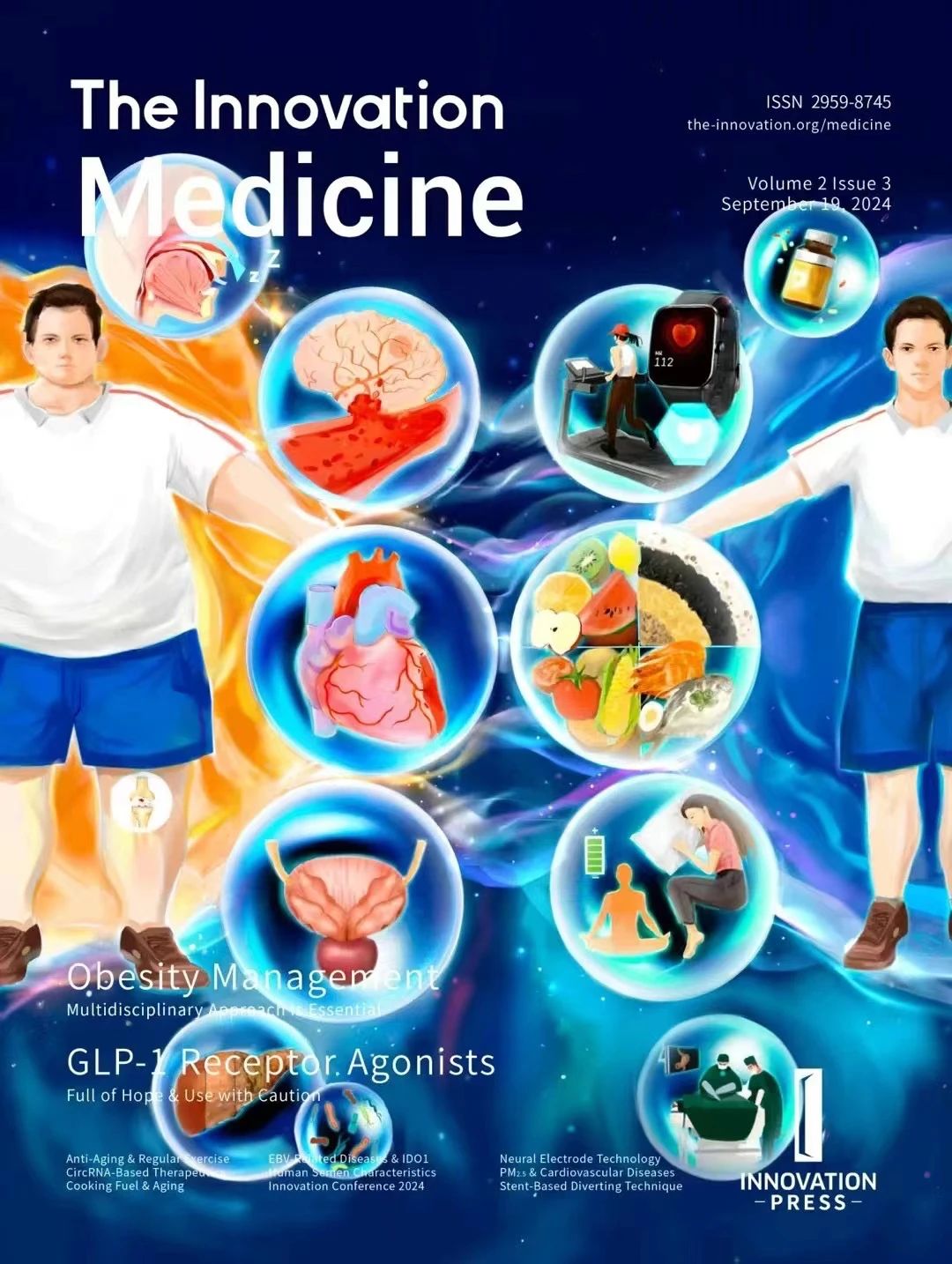
However, behind it are complex biological, genetic, environmental and socioeconomic factors. The paper is a collaboration of a team of experts from multiple fields in China, which integrates a large number of literatures and deeply analyzes the epidemiology, pathophysiological mechanisms, related complications, etiological risk factors and management and treatment strategies of obesity. It also emphasizes the multi-dimensional perspective of the complex relationship between obesity and health outcomes, draws a panoramic view of the curren t field of obesity research, and provides an interdisciplinary and multi-dimensional perspective on the complex relationship between obesity and health. The paper was published in the international journal The Innovation Medicine. Interpretation of the cover of this issue of The Innovation Medicine: Reverse obesity and enjoy health! Obesity has become a global health crisis. The cover of this issue uses a sharp contrast between the image of obese and healthy people to intuitively show a series of serious health problems that obesity may cause, such as cardiovascular and cerebrovascular system, respiratory system, endocrine and reproductive system diseases, cancer and intestinal flora disorders. These problems not only affect the quality of life of individuals, but may also lead to serious health crises. The cover emphasizes the importance of a healthy lifestyle. Through effective interventions and treatments, such as lifestyle adjustments, medications and surgical treatments, obesity can be effectively controlled and improved. The emergence of digital technology and wearable devices promotes more informed decision-making and personalized feedback. The cover of this issue provides readers with a comprehensive and profound perspective on the problem of obesity. Obesity has become a global, preventable health crisis that affects multiple organ systems and is associated with a variety of diseases. This health crisis requires a concerted, multidisciplinary effort to effectively address its causes and consequences. Successful prevention and treatment of obesity relies on the concerted efforts of medical experts, nutritionists, biologists, psychologists, policymakers, and society at large. Advances in molecular technologies and multi-omics approaches have provided a deeper understanding of the pathophysiological mechanisms of obesity. Obesity research must continue to evolve with a focus on personalized treatment strategies. Genetic and genomic studies can provide insights into individual susceptibility to obesity and guide the development of targeted pharmacological interventions. Lifestyle intervention is the first choice for weight control because of its low cost. In addition, the effectiveness and safety of pharmacological treatments and bariatric surgery have been thoroughly evaluated. With the advancement of mobile technology and the use of wearable devices, these emerging tools can provide real-time feedback on